

Leading UX Design with Purpose
I’ve spent more than 20 years working in user experience as both a designer and a design leader. Over that time, I’ve learned that strong UX teams do more than produce polished interfaces. They help shape product direction, bring clarity to complex problems, and deliver experiences that create real value for both users and the business.
My approach to leadership is grounded in a few core principles, shaped not just by perspective, but by how I’ve built teams, introduced new ways of working, and driven measurable outcomes.
Leadership in Practice
Most recently led a 6-person UX and development team focused on Medicare eCommerce experiences at UnitedHealthcare
Maintained #1 competitive usability ranking (2023–2025) for Medicare shopping experiences
Embedded AI-driven decision support into plan shopping experiences, increasing conversion and reducing telesales handling time by 63%
Established a UX intake and project definition framework to align Product, UX, and Engineering on shared objectives and outcomes
Built scalable design system components supporting end-to-end shopping, provider search, and enrollment experiences
Partnered closely with Product and Engineering leadership to influence roadmap direction and delivery strategy
Design is strategic
Design should operate as a peer to Product and Engineering, not as a downstream service. Strong UX teams help define problems, shape product direction, and take ownership of meaningful parts of the experience.
At UnitedHealthcare, I worked closely with Product and Engineering leadership to reposition UX earlier in the product lifecycle. By embedding research, data, and experimentation into decision making, we were able to influence roadmap priorities and improve overall experience quality. This shift contributed to maintaining a #1 usability ranking in a highly competitive Medicare market.
I organize teams around user-centered problem spaces and ensure designers are deeply integrated with cross-functional partners. When design participates in strategy, products become more coherent, useful, and effective..
Hands-on by design
I believe the most effective design leaders stay close to the work, not out of necessity, but by intent.
I actively engage in shaping flows, interactions, and experience details alongside my team. This helps accelerate decision making, raise the quality bar, and provide more meaningful, context-aware feedback.
It also creates alignment. When leaders are engaged in the craft, teams develop a shared understanding of what strong solutions look like, and trust builds more naturally. My role is not just to guide the work, but to help demonstrate and elevate it.
AI as part of modern UX
Artificial intelligence is reshaping how products behave and how people interact with them. I’m particularly interested in how AI can be integrated into experiences in ways that are useful, intuitive, and trustworthy.
In practice, this has meant embedding AI-driven decision support directly into product experiences, helping users navigate complex choices with greater confidence. In the Medicare shopping experience, this contributed to improved conversion rates while significantly reducing reliance on agent-assisted channels.
I also see AI as a tool within the design process itself, accelerating exploration, uncovering insights, and expanding what teams can create. The opportunity is not just to use AI, but to design how it shows up responsibly and meaningfully for users.
Creativity and craft matter
Design is both analytical and creative. The strongest outcomes come from structured thinking paired with imagination.
I care deeply about craft, from interaction patterns and visual systems to clarity, accessibility, and the details that shape how a product feels. At scale, these details are not cosmetic. They directly influence usability, trust, and engagement.
Whether building new experiences or evolving existing ones, I focus on creating systems that are both elegant and practical, enabling teams to deliver consistent, high-quality work over time.
Clear process creates better outcomes
Strong outcomes start with clear definition. One of the most impactful ways to improve design quality is to improve how work begins.
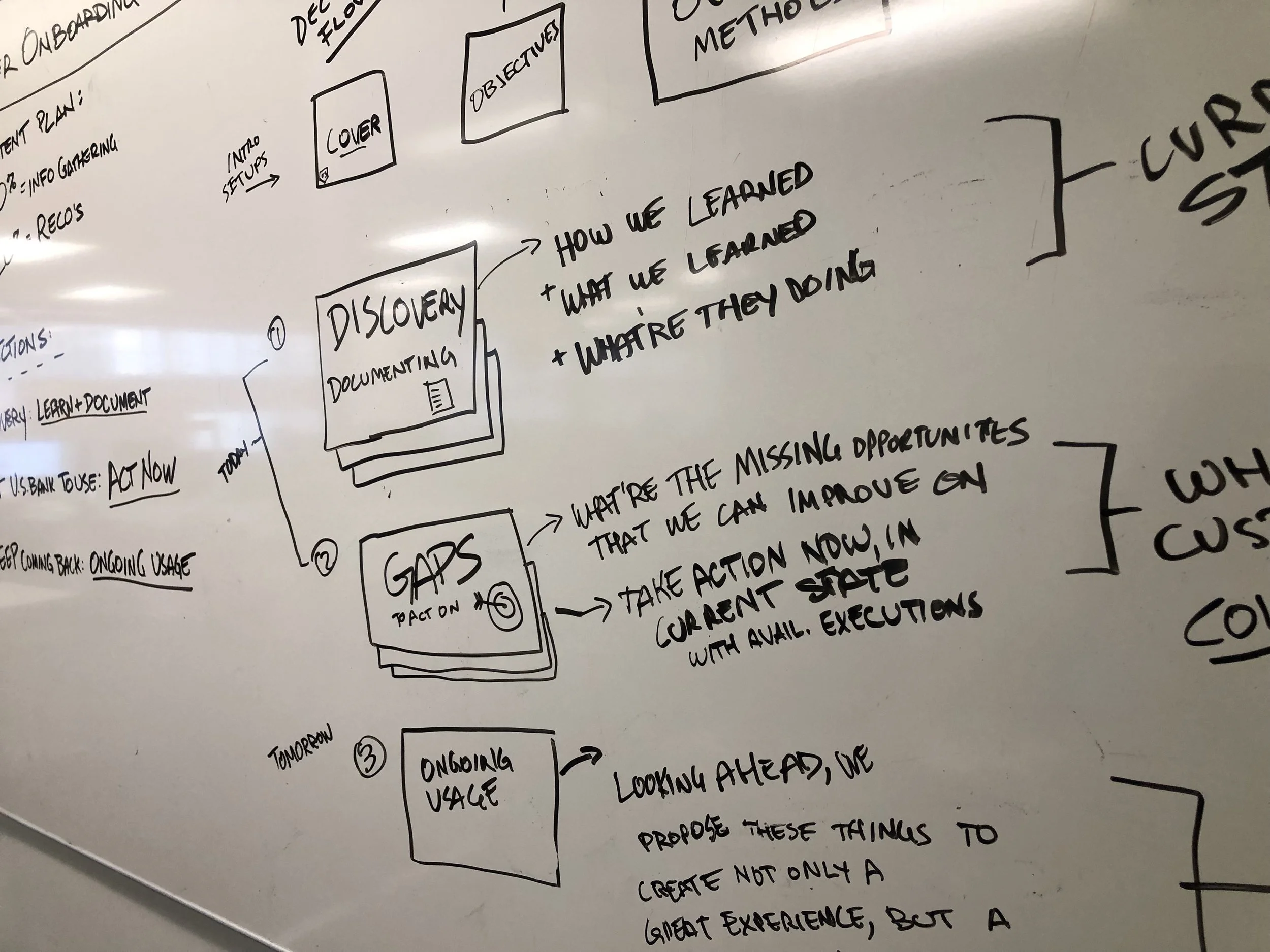
I introduced a UX intake and project definition framework to ensure alignment across Product, UX, and Engineering before execution starts. This included defining user problems, business goals, success metrics, and expected deliverables upfront.
This shift reduced ambiguity, improved prioritization, and created a shared understanding of what success looks like. When teams are aligned early, the work moves faster and decisions become more focused and effective.
Leadership that enables teams
My role as a design leader is to create the conditions for great work to happen.
That means building strong teams, establishing clear processes, and developing shared judgment so designers can operate with confidence and autonomy. I focus on fostering an environment where collaboration, critique, and continuous learning improve both the work and the people doing it.
When teams are aligned around user needs and business outcomes, and supported with the right structure and trust, they consistently deliver better results.
Methods and Tools
These methods have been applied across large-scale, regulated environments, including Medicare shopping and enrollment experiences, where clarity, accuracy, and usability directly impact both user outcomes and business performance.
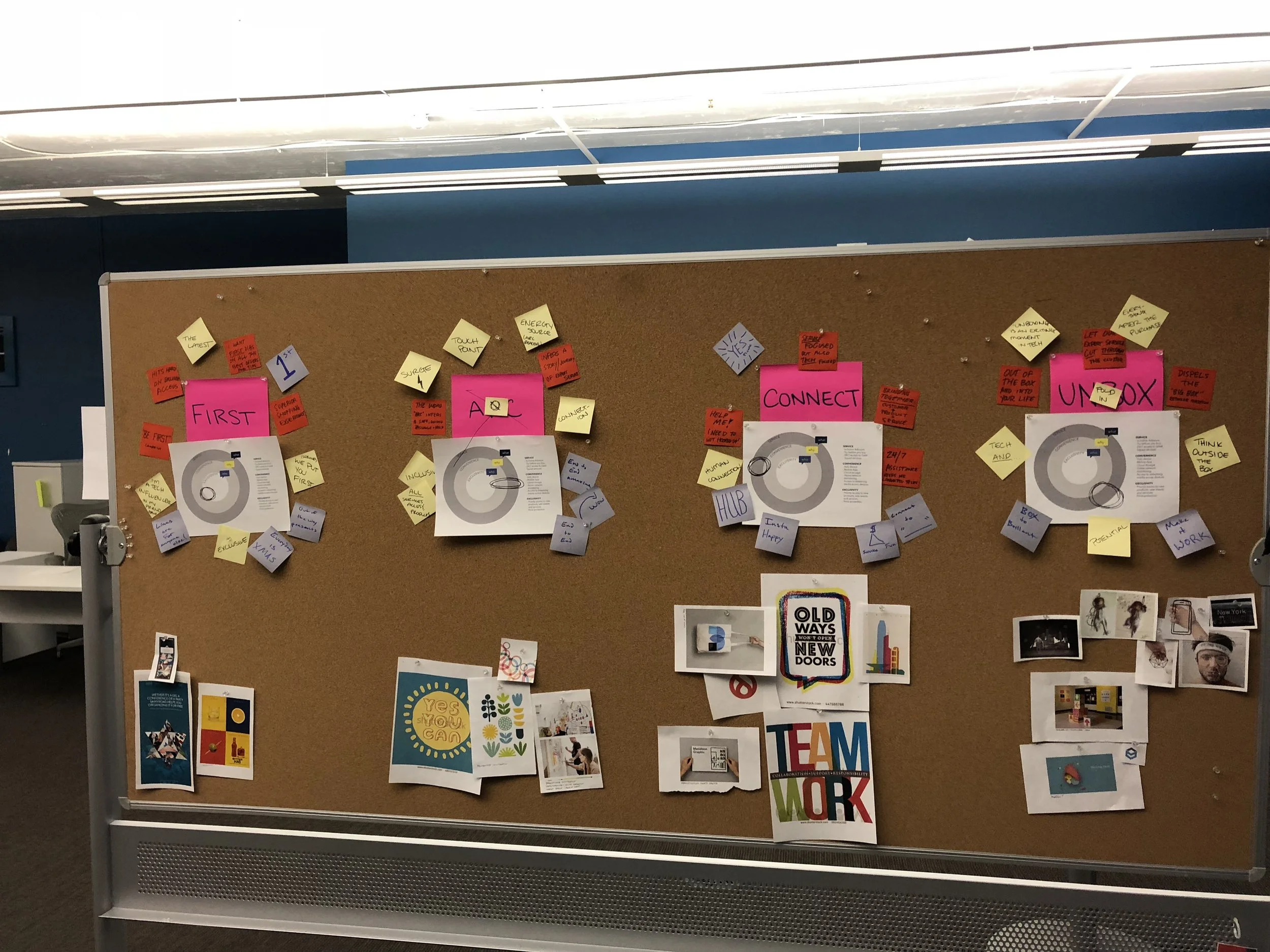
I use a structured but flexible approach to guide teams from problem definition through delivery, combining research, design, and cross-functional collaboration. The goal is to create clarity early, align teams quickly, and move work forward with confidence.
Methods
End-to-end journey mapping and drop-off analysis to identify friction in complex workflows
UX intake and project definition frameworks to align Product, UX, and Engineering on shared objectives, success metrics, and deliverables
Rapid prototyping and iterative testing to validate ideas early and reduce downstream risk
Embedded research and data analysis to inform decisions and prioritize opportunities
Design systems and reusable patterns to support consistency, scalability, and accessibility across experiences
Tools
Figma for end-to-end design, prototyping, and design system development
Figjam and Miro for workshops, journey mapping, and cross-functional collaboration
Analytics and experimentation platforms to understand behavior, measure impact, and guide iteration
AI-assisted tools to accelerate exploration, support decision-making, and expand design possibilities