

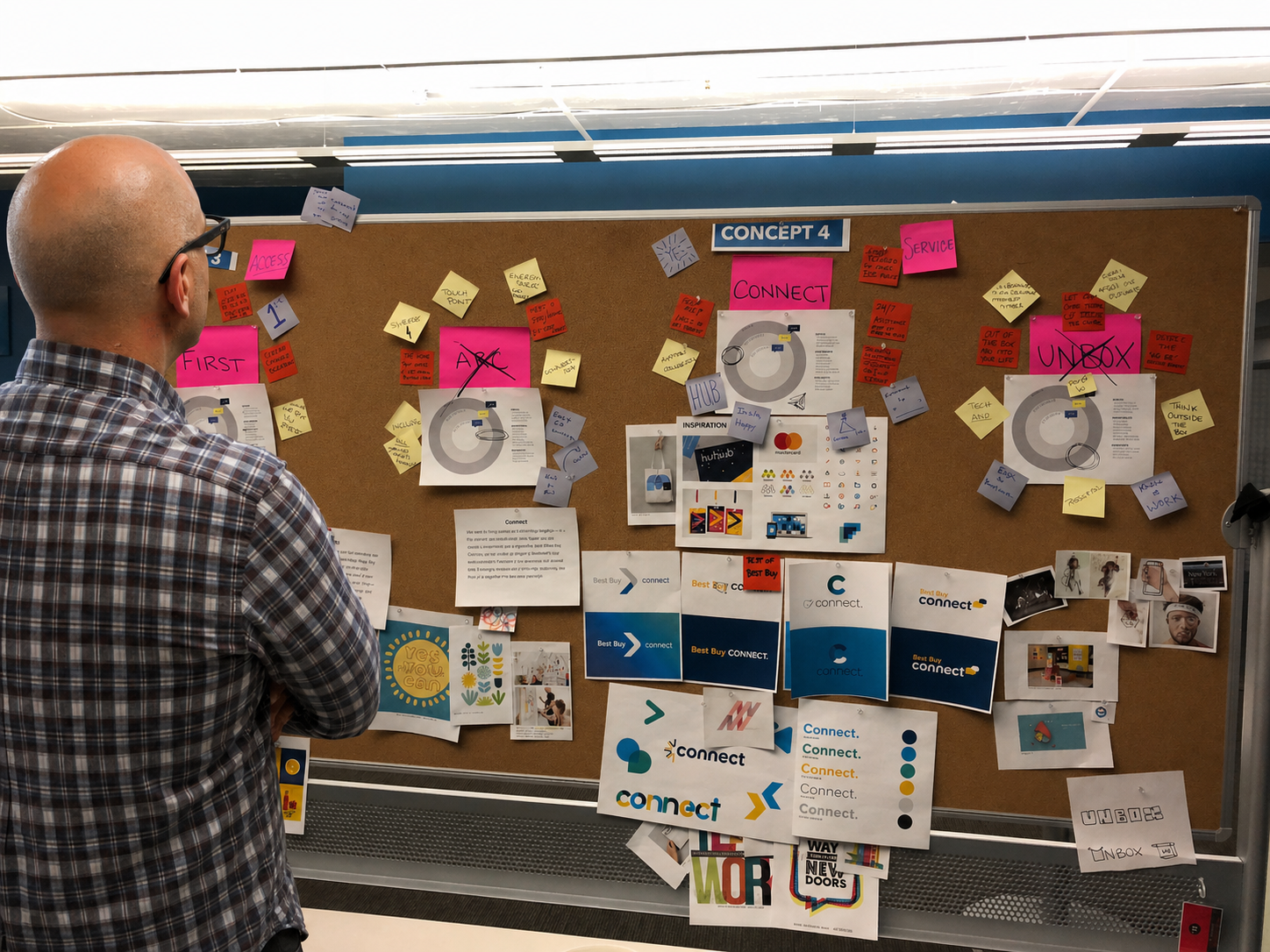
Leading UX Design with Purpose
My ApproachOver the years working in user experience as both a designer and a design leader. Over that time, I’ve learned that strong UX teams do more than produce polished interfaces. They help define direction, bring clarity to complex problems, and deliver experiences that create measurable value for both users and the business.
Foundations of definition

Leadership in practice @UnitedHealthcare
Led a UX and development team for Medicare eCommerce at UnitedHealthcare
Maintained the #1 competitive usability ranking for Medicare shopping (2023 to 2025)
Embedded AI-driven decision support, increasing conversion and reducing telesales handling time by 63%
Created a UX intake framework that aligned Product, UX, and Engineering around shared outcomes
Built scalable design system components for shopping, provider search, and enrollment
Partnered with Product and Engineering leadership to shape roadmap strategy and execution
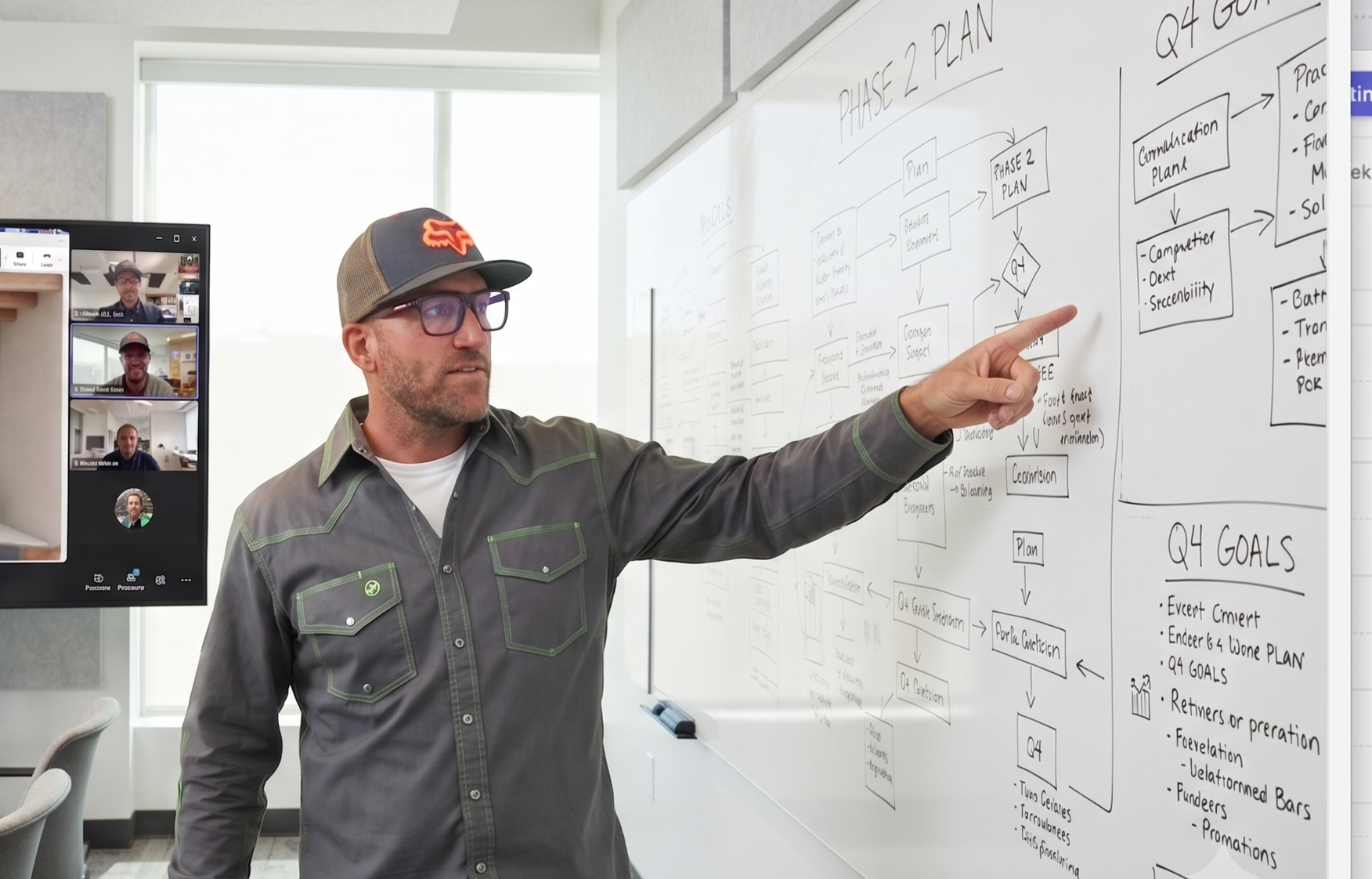
Design shapes direction, not just output
Design delivers the most value when it operates alongside Product and Engineering, helping define problems, influence priorities, and shape outcomes instead of simply executing requirements.
At UnitedHealthcare, I helped move UX earlier into the product lifecycle by integrating research, data, and experimentation into product decisions. This approach influenced roadmap direction and contributed to maintaining the #1 competitive usability ranking for Medicare shopping.
I organize teams around user needs, embed designers with cross-functional partners, and use design as a strategic driver of better products, not just better interfaces.
AI as part of modern UX
AI is changing both how products work and how teams design them. I focus on applying AI in ways that are useful, intuitive, and trustworthy.
At UnitedHealthcare, I integrated AI-driven decision support into Medicare shopping, helping users navigate complex choices while improving conversion and reducing telesales handling time by 63%.
I also use AI throughout the design process to accelerate exploration, uncover insights, and expand what's possible. The goal is not simply to use AI, but to design experiences where it creates meaningful value for users.
Hands-on by design
The best design leaders stay connected to the work by choice, not necessity.
I actively contribute to flows, interactions, and experience details alongside my team, helping accelerate decisions, raise quality, and provide more actionable feedback.
Staying engaged also builds alignment. Shared ownership creates stronger solutions, clearer direction, and greater trust across the team.

Clear process creates better outcomes
Better outcomes start with better definition.
At UnitedHealthcare, I introduced a UX intake and project definition framework that aligned Product, UX, and Engineering before work began. By defining user problems, business goals, success metrics, and deliverables upfront, teams started with a shared understanding of success.
The result was less ambiguity, better prioritization, and faster, more focused decision making.

Iterate early, learn fast
The best products are shaped through rapid learning, not perfect first drafts.
I believe in getting ideas in front of users early through prototypes, lightweight testing, and quick iterations. Each round of feedback helps validate assumptions, uncover friction, and refine the experience before significant time and effort are invested.
By testing often and improving continuously, teams reduce risk, make better decisions, and deliver products that are more intuitive, effective, and aligned with user needs.