
The Principles Behind My Work
Leading UX Design with Purpose
I’ve spent more than 20 years working in user experience as a designer and design leader. Over that time I’ve learned that strong UX teams do more than produce polished interfaces. They help shape product direction, combine creativity with disciplined problem solving, and deliver experiences that create real value for both users and the business.
A few principles guide how I lead.
Design is strategic
Design should operate as a peer to Product and Engineering, not as a downstream service. Strong UX teams help frame problems, influence product direction, and take ownership of meaningful parts of the experience.
I organize teams around user centered problem spaces and empower designers to partner closely with cross functional teams. Research, data, and experimentation are embedded into the UX process so decisions are grounded in real user insight. When design participates in strategy, products become more coherent, useful, and innovative.
Hands on by design
I believe the best design leaders stay close to the work.
I’m as comfortable shaping strategy and aligning stakeholders as I am opening Figma and working through flows, interactions, and details. Staying hands on helps me give more meaningful feedback, move work forward when needed, and demonstrate what strong solutions can look like in practice.
It also matters for teams. When leaders actively engage in the craft, it raises the bar, builds trust, and creates a shared understanding of what great looks like.
AI as part of modern UX
Artificial intelligence is rapidly reshaping how products work and how people interact with technology. I’m particularly interested in how AI can be integrated into product experiences to make them more intelligent, adaptive, and helpful.
This means designing experiences that use AI responsibly while maintaining transparency and trust for users. It also means leveraging AI within the design process itself to accelerate exploration, surface insights, and expand creative possibilities.
Creativity and craft matter
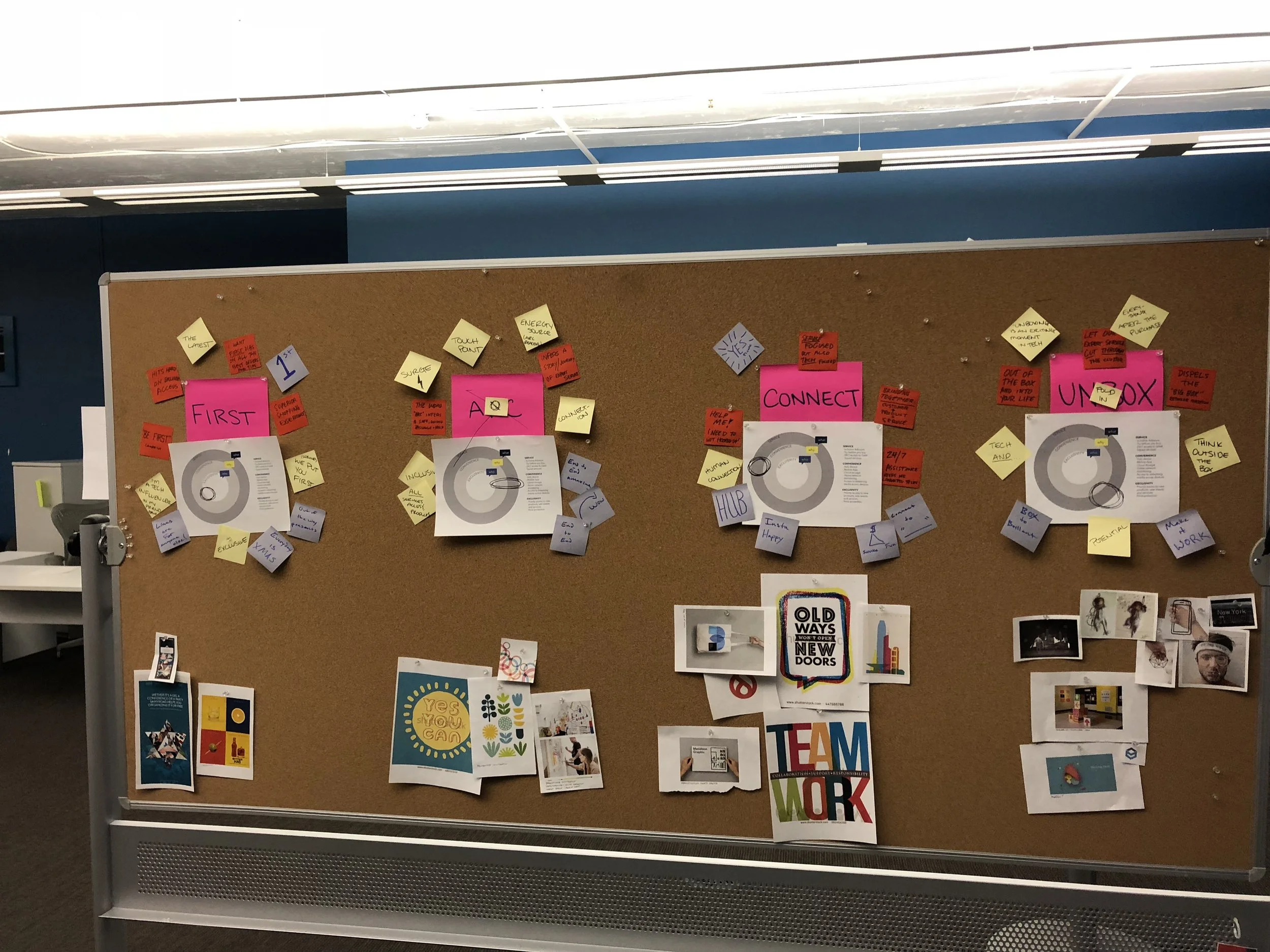
Design is both analytical and creative. Great experiences come from thoughtful structure paired with imagination.
I care deeply about craft, from interaction patterns and visual systems to clarity, usability, and the details that shape how a product feels. The difference between a product that simply works and one that people genuinely enjoy often lives in those details.
Clear process creates better outcomes
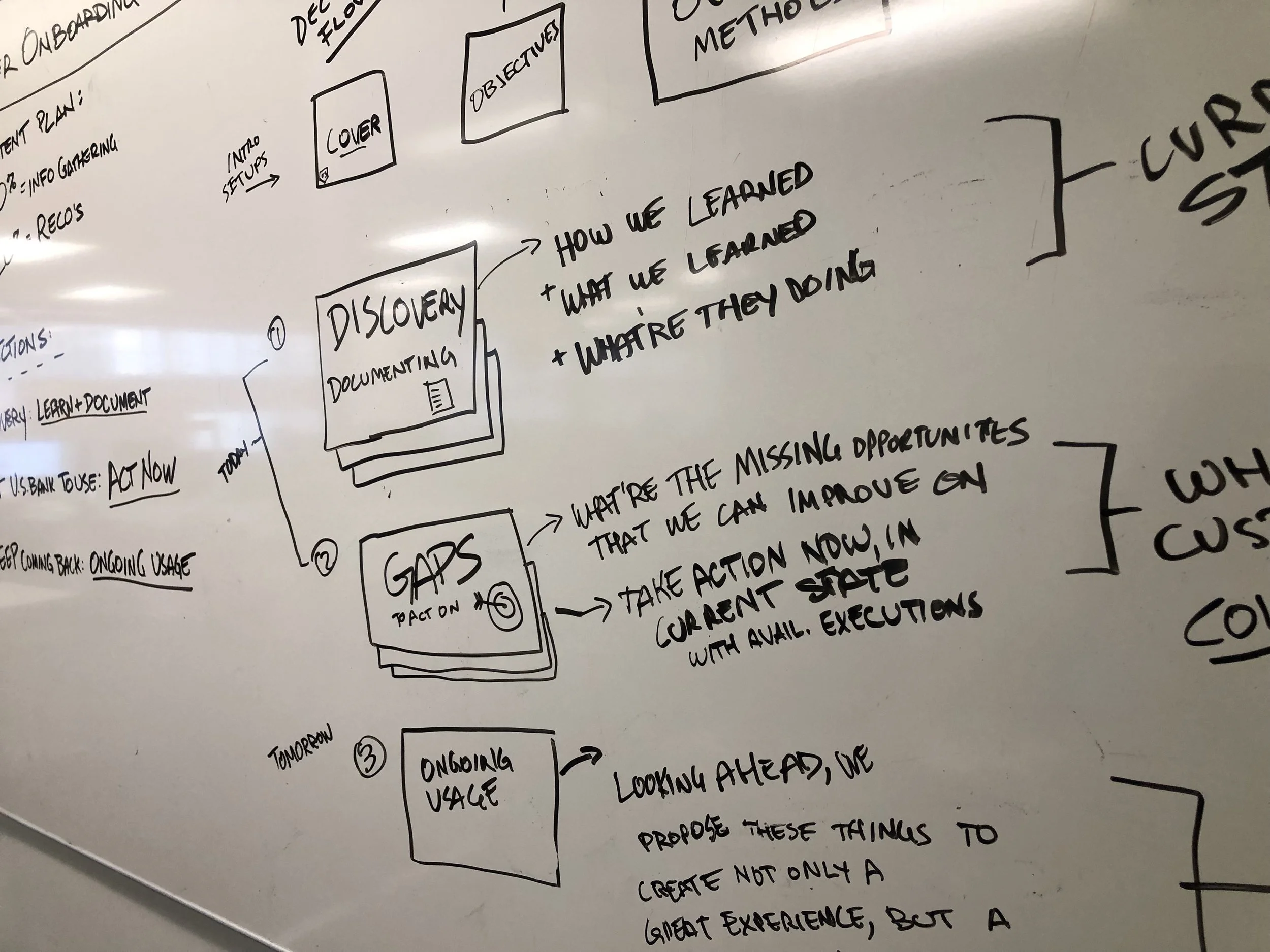
Good work starts with clear definition. One of the most important parts of the design process happens before a single screen is created.
I place strong emphasis on defining projects well from the start. That means clearly aligning on objectives, user problems, business goals, strategy, success metrics, and expected deliverables. A well constructed brief ensures that UX, Product, and Engineering are solving the same problem and moving toward the same outcome.
When the problem is clearly framed and shared across the team, creativity has the right boundaries and the work moves faster with far less ambiguity.
Leadership that enables teams
My role as a design leader is to build strong teams, clear processes, and shared judgment so designers can do their best work. I aim to create an environment where collaboration, critique, and continuous learning improve both the work and the people doing it.
When teams are empowered and aligned around user needs and business outcomes, great design tends to follow.
In the end, great UX leadership is about aligning strategy, creativity, process, and technology so teams can solve the right problems and build meaningful products. When those pieces come together, the result is simple: better experiences for users, stronger outcomes for the business, and that awesome moment when everything works exactly the way it was intended to.